
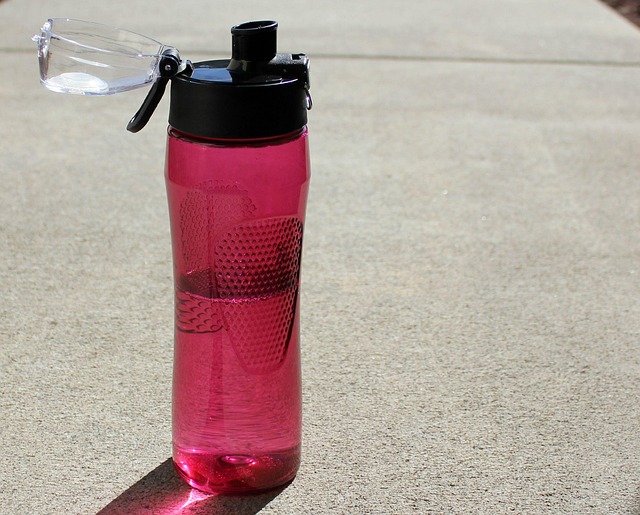
Hydration during physical activity, especially in endurance sports, has long been a controversial topic. Recommendations have changed dramatically over time, ranging from the extreme advice “do not drink at all” to the opposite message “drink as much as possible.” Today, proper hydration is recognized as an important component of both athletic performance and athlete safety, including for recreationally active individuals and female athletes.
From “No Water” to Gatorade
At the beginning of the 20th century, athletes were often advised to avoid drinking during exercise. In 1909, James E. Sullivan, a leading figure in the Amateur Athletic Union in the United States, wrote:
“Don’t get into the habit of drinking and eating in a marathon race; some prominent runners do, but it is not beneficial.”
This perspective remained common for several decades. Even in professional cycling events such as the Tour de France, drinking during competition was sometimes viewed as a sign of weakness.
The situation began to change in the 1960s. In 1965, Dr. Robert Cade and his colleagues developed the first sports drink, later known as Gatorade, for the American football team of the University of Florida. The purpose was to reduce exhaustion caused by heat, humidity, and the loss of fluids, electrolytes, and carbohydrates during exercise (Cade et al., 1972). This moment marked the beginning of the modern sports hydration industry.
Marketing, Hydration, and the Rise of Sports Drinks
In 1985, the Gatorade Sports Science Institute (GSSI) was established and began promoting the idea that dehydration was one of the greatest threats to athletic performance. During the following decades, hydration messages became increasingly aggressive.
In 1996, the American College of Sports Medicine (ACSM) recommended that athletes should drink early and regularly during exercise in order to replace as much fluid loss as possible (Convertino et al., 1996). These recommendations strongly influenced sports culture and commercial marketing strategies worldwide.
However, excessive focus on avoiding dehydration also contributed to an increase in cases of exercise-associated hyponatremia, a potentially dangerous condition caused by excessively low sodium concentrations in the blood due to overconsumption of fluids (Hew-Butler et al., 2015). Several fatal cases reported during endurance events attracted scientific attention to the risks of overhydration.
One of the most influential critics of excessive hydration recommendations was Professor Tim Noakes, author of the book Waterlogged. Noakes argued that sports drink marketing had encouraged athletes to drink beyond physiological needs, sometimes with dangerous consequences (Noakes, 2012).
A More Balanced Perspective
In 2007, ACSM updated its hydration recommendations and adopted a more balanced approach. The organization stated that the goal of hydration should be to prevent excessive dehydration, generally defined as body mass losses greater than approximately 2%, while also maintaining electrolyte balance (Sawka et al., 2007).
Even this “2% rule,” however, has been questioned by researchers and elite athletes. For example, measurements obtained during the 2009 Dubai Marathon showed that winner Haile Gebrselassie lost approximately 9.8% of his body weight during the race (Beis et al., 2012). Similarly, studies on Ironman competitions have shown that some of the fastest finishers often experience body mass losses between 2% and 7% during races (Noakes, 2012).
These observations suggest that moderate dehydration during prolonged endurance exercise may not always impair performance to the extent previously believed, particularly in highly trained athletes.
“Drink to Thirst” or Planned Hydration?
In recent years, the “drink to thirst” approach promoted by Noakes has gained popularity. This theory argues that the human body possesses natural mechanisms capable of regulating fluid needs through thirst sensation.
Nevertheless, many athletes and sports scientists believe that relying only on thirst may not always be sufficient during prolonged or high-intensity exercise, especially in hot conditions. Elite endurance athletes often report that thirst sensation may be delayed during competition because of stress hormones and adrenaline.
For this reason, many modern hydration strategies emphasize individualized and planned hydration. These strategies consider factors such as:
- body mass
- exercise duration and intensity
- environmental conditions
- sweat rate
- electrolyte losses
Research supports the idea that individualized hydration plans may improve both performance and recovery outcomes in athletes (Ayotte & Corcoran, 2018).
Conclusion
Hydration in sports should not be based solely on marketing messages or simplistic universal rules. For light daily activities or short exercise sessions, drinking according to thirst is often sufficient. However, prolonged or intense exercise, especially in hot environments, usually requires a more structured and individualized hydration strategy.
Modern sports science increasingly supports a balanced approach that combines physiological signals, practical experience, and scientific evidence. Proper hydration therefore involves not only fluid intake, but also understanding electrolyte balance, environmental conditions, and individual athlete responses.
References
Ayotte, D., & Corcoran, M. P. (2018). Individualized hydration plans improve performance outcomes for collegiate athletes engaging in in-season training. Journal of the International Society of Sports Nutrition, 15(1), 27.
Beis, L. Y., Wright-Whyte, M., Fudge, B., Noakes, T., & Pitsiladis, Y. P. (2012). Drinking behaviors of elite male runners during marathon competition. Clinical Journal of Sport Medicine, 22(3), 254–261.
Cade, R., Spooner, G., Schlein, E., Pickering, M., & Dean, R. (1972). Effect of fluid, electrolyte, and glucose replacement on performance, body temperature, rate of sweat loss and compositional changes of extracellular fluid. Journal of Sports Medicine and Physical Fitness, 12(3), 150–156.
Convertino, V. A., Armstrong, L. E., Coyle, E. F., Mack, G. W., Sawka, M. N., Senay, L. C., & Sherman, W. M. (1996). American College of Sports Medicine position stand: Exercise and fluid replacement. Medicine & Science in Sports & Exercise, 28(1), i–vii.
Hew-Butler, T., Rosner, M. H., Fowkes-Godek, S., Dugas, J. P., Hoffman, M. D., Lewis, D. P., Maughan, R. J., Miller, K. C., Montain, S. J., Rehrer, N. J., Roberts, W. O., Rogers, I. R., Siegel, A. J., Stuempfle, K. J., Winger, J. M., & Verbalis, J. G. (2015). Statement of the Third International Exercise-Associated Hyponatremia Consensus Development Conference, Carlsbad, California, 2015. Clinical Journal of Sport Medicine, 25(4), 303–320.
Noakes, T. (2012). Waterlogged: The serious problem of overhydration in endurance sports. Human Kinetics.
Sawka, M. N., Burke, L. M., Eichner, E. R., Maughan, R. J., Montain, S. J., & Stachenfeld, N. S. (2007). American College of Sports Medicine position stand: Exercise and fluid replacement. Medicine & Science in Sports & Exercise, 39(2), 377–390.