
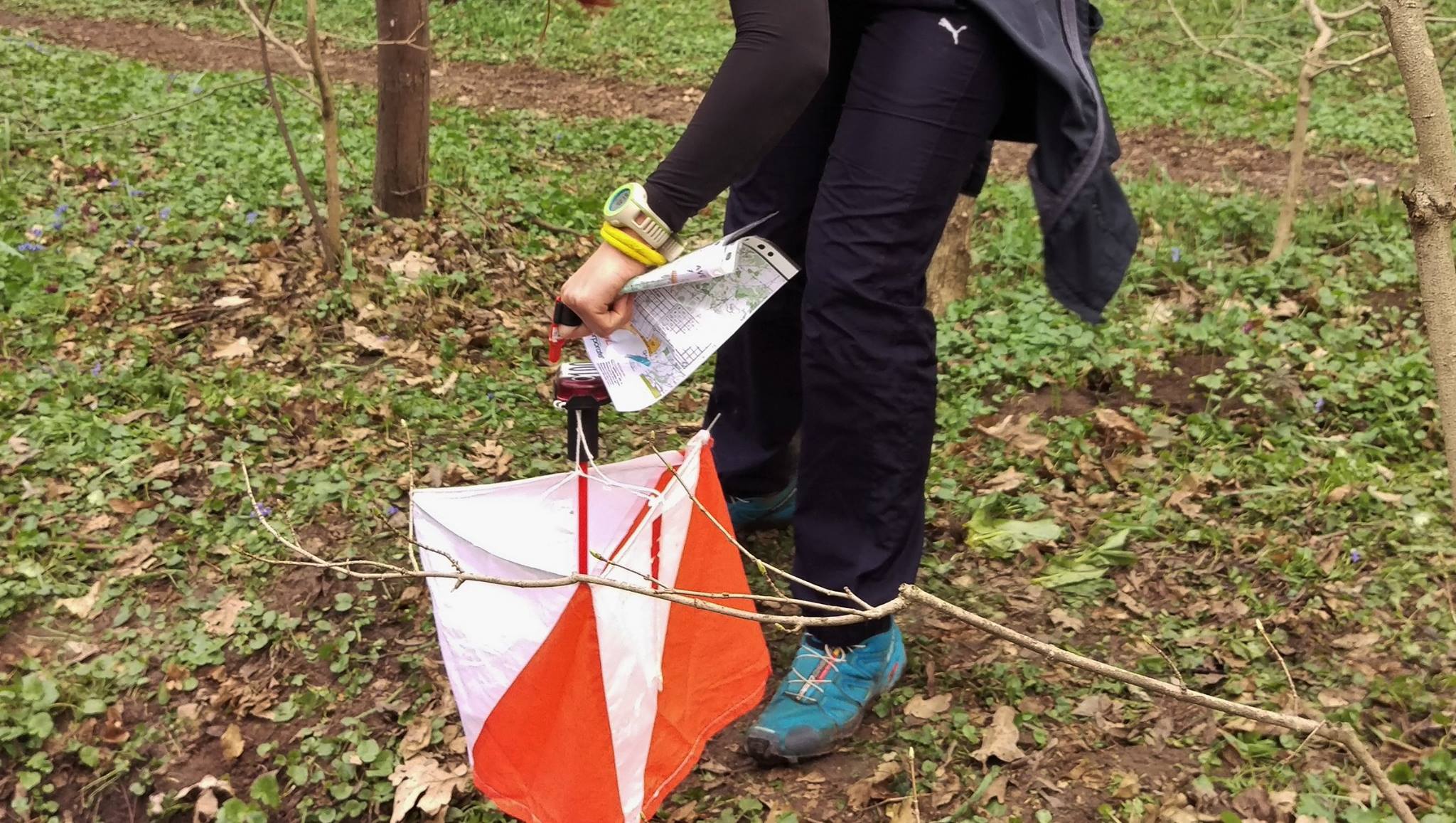
Orienteering is a sport discipline which combines elements of physical effort, intellectual challenge, and contact with nature. As such, it affects many aspects of human health, with its influence on emotional balance and mental well-being increasingly recognized. Mental and emotional condition are the fundamental components of human well-being, shaping quality of life, social relationships, and professional and educational performance. The correlation between physical activity – especially outdoors activities – and mental health is not merely the result of subjective feelings, but is grounded in neurobiological and physiological mechanisms.[1] Regular physical activity triggers complex processes that collectively contribute to improved mood, reduced stress, and enhanced cognitive abilities. Notably, orienteering requires not only good physical fitness but also the ability to make quick decisions, analyze maps, and navigate terrain.
Physical activity also affects the structure and functioning of the brain as well as cognitive functions[2]. Exercise increases blood flow, improving oxygen and nutrient delivery to nerve cells. This improved circulation and oxygenation are essential for maintaining mental clarity and memory—critical for learning at any age. Regular movement regulates the levels of key neurotransmitters involved in mood and emotional processes. The most important among them—serotonin, dopamine, and noradrenaline—are essential for good mental well-being and for reducing the risk of depression and anxiety.
Physical activity, such as orienteering, also modulates the body’s stress responses. Regular, moderate exercises help in regulating the hypothalamic-pituitary-adrenal (HPA) axis, leading to reduced secretion of cortisol, the primary stress hormone. Physical activity stimulates neurogenesis—the creation of new neurons—especially in the hippocampus, a brain region essential for memory and emotional regulation[3]. Although this process slows with age, research shows it can be effectively stimulated through behavioral interventions, such as regular physical activity. Exercise also promotes increased expression of brain-derived neurotrophic factor (BDNF), a protein that plays a central role in regulating neurotransmitters, strengthening connections between neurons, and supporting learning and memory processes.
In orienteering, where both physical and mental effort is involved, further enhancing the development and maintenance of cognitive functions. The intellectual engagement—for example, analyzing a map while running – stimulates brain activity, leading to improved mental performance and greater resilience to stress. This positive effect applies across all age groups.
For children, regular physical activity through orienteering training is crucial for healthy development, improving motor coordination, strength, concentration, and cognitive abilities, as well as supporting psychosocial development and stress reduction. For adults, it acts as an anti-stress mechanism, reducing tension and mood disorders while promoting better sleep and recovery. Among those over 60, physical activity plays a role in slowing aging processes, preventing lifestyle-related diseases, and maintaining mental sharpness.
A distinctive feature of orienteering is that it almost always takes place in forests or other natural settings, allowing participants to combine physical effort with contact with nature—another important factor in supporting mental health. Spending time in forest environments reduces cortisol levels, improves mood, and alleviates symptoms of anxiety and depression.
Natural surroundings also enhance recovery, as being among greenery supports improved concentration and relaxation. The natural environment is not just a backdrop for exercise—it is an active, therapeutic component. Combining movement with exposure to nature and sunlight acts as a natural antidepressant. Sunlight stimulates serotonin production and vitamin D synthesis in the skin, both of which are essential for mental health and mood regulation.
For children, orienteering in natural environments also provides educational value—teaching respect for nature and developing terrain navigation skills.
In summary, orienteering is a unique sport that combines three essential elements—physical effort, intellectual challenge, and natural surroundings—each of which has a positive impact on health and well-being. This unique combination means that orienteering supports the development of children as well as improving the psychophysical fitness and emotional balance of adults and older people.
[1] Gawron, N., Zębrowski, A., & Hintze, B. (2024). Aktywność fizyczna a funkcjonowanie poznawcze osób w średniej i późnej dorosłości – wyniki badania wstępnego. Przegląd Psychologiczny, 67(1)
[2] S. Sumińska, Wpływ aktywności fizycznej na sprawność poznawczą, Medycyna Pracy. – 2021, Vol. 72, nr 4
[3] Fabel K, Kempermann G., Physical activity and the regulation of neurogenesis in the adult and aging brain, Neuromolecular Med. 2008;10(2):59-66
Funded by the European Union. Views and opinions expressed are however those of the author(s) only and do not necessarily reflect those of the European Union or EACEA. Neither the European Union nor the granting authority can be held responsible for them.