
1. Physical ability
To run fast, to be agile, nimble, skillful, and to endure when things are hard. Physical ability means muscle strength, and having it implies that we train. Awareness of age and life stage implies that we train thoughtfully and intelligently. If we overdo it, the best that can happen is muscle soreness, and the worst is injury. Both are signals that something is lacking somewhere in the body. One aspect of physical ability is fitness. Athletes—whether recreational or professional—may fall out of competitive form, but they should not and must not fall out of fitness. Physical fitness is the foundation and prerequisite for further development of physical ability and competitive form.
2. Strengthen as core
When we say fitness, we usually mean how far a person can run and how fast they can do it. So we are talking about running. When we run, we activate the whole body; all muscles are working in some mode, contracting and thus developing and strengthening. All except the most important muscle—the brain.
3. Running and muscle extension
While running on roads and paths, it is in our nature to rely on the internal sensory system, on our senses, especially sight. As long as we can see where we need to move and run, the brain remains passive compared to the muscles in the rest of the body, and thoughts and attention are not directed at the action itself. We can listen to music and let our thoughts drift away with the lyrics of a song. In this way, we work exclusively on the fitness of the body’s muscles and lungs, while neglecting the brain as the most important muscle.
4. Orienteering – all body activation
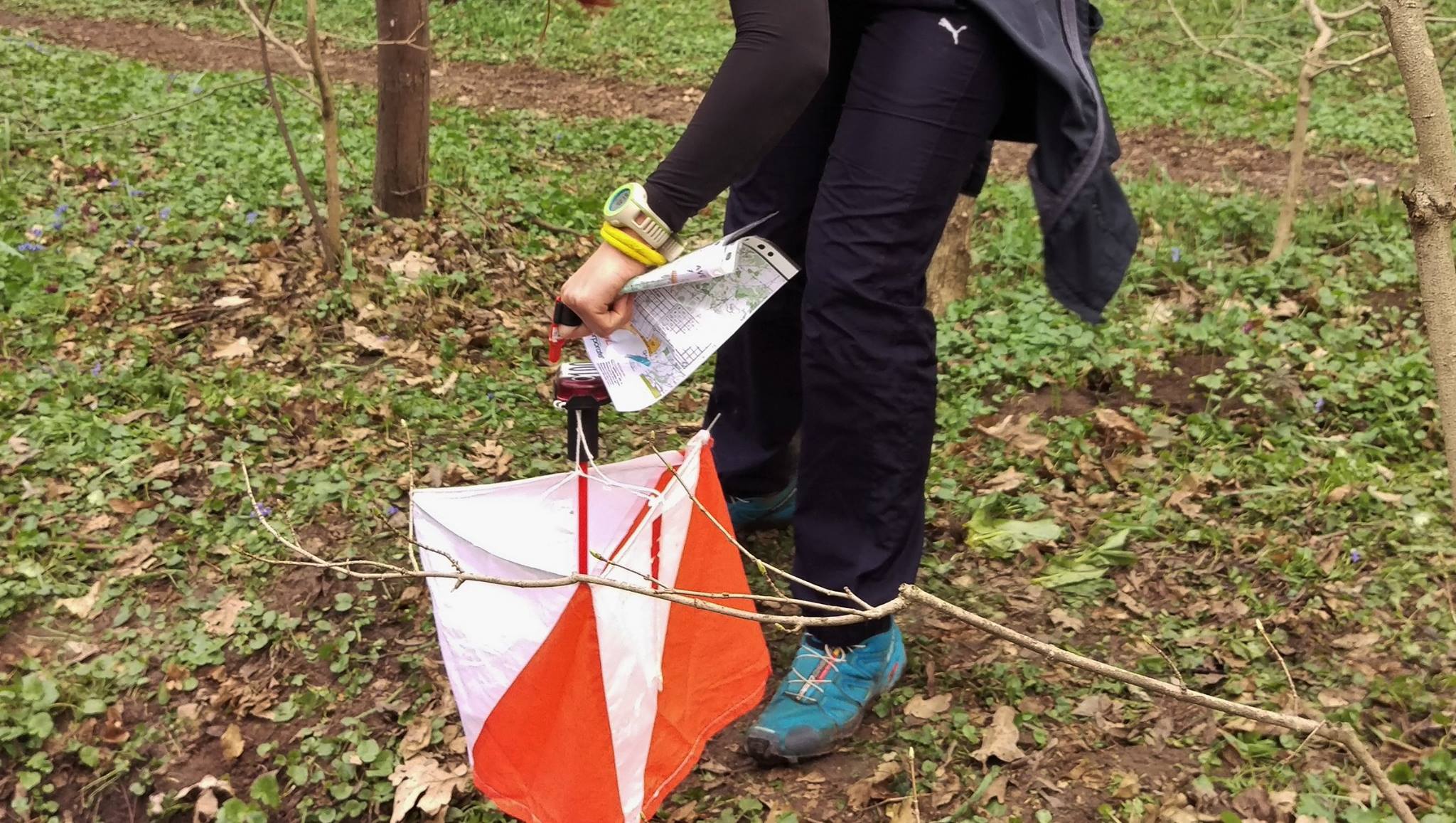
When we take an orienteering map and begin navigating the terrain with its help, things change fundamentally. Even if we are only walking while doing this, we intensely train focus and brain functions. If we are running at the same time, then the entire organism is actively engaged— there is no muscle in a passive mode. Balancing running rhythm with the ability to track details and information on the map, while simultaneously overcoming obstacles such as steep slopes, overgrown forest sections, rocky surfaces, and marshy ground, is one of the key skills of every orienteer. The extent to which we are able to maintain this kind of balance reflects our level of physical fitness: if it lasts only a short time, it means we are in poor condition; if it can be sustained for a longer period, then we are in admirable form. Orienteering is an excellent tool for developing the physical abilities of all muscles and the entire body.
5. Finding a new way to train the brain: Orienteering
The sport of orienteering, which draws on athleticism, navigational skills and memory, could be useful as an intervention or preventive measure to fight cognitive decline related to dementia. Researchers hypothesized that the physical and cognitive demands of orienteering, which integrates exercise with navigation, may stimulate parts of the brain that our ancient ancestors used for hunting and gathering. The brain evolved thousands of years ago to adapt to the harsh environment by creating new neural pathways. Those same brain functions are not as necessary for survival today due to modern conveniences such as GPS apps and readily available food. Researchers suggest it is a case of “use it or lose it.” “Modern life may lack the specific cognitive and physical challenges the brain needs to thrive,” says Jennifer Heisz, Canada Research Chair in Brain Health and Aging at McMaster University, who supervised the research. “In the absence of active navigation, we risk losing that neural architecture.” Heisz points to Alzheimer’s disease, in which losing the ability to find one’s way is among the earliest symptoms, affecting half of all afflicted individuals, even in the mildest stage of the disease.
6. Abstract part of orienteering
The closest surrogate to hunter-gather activity is the sport of orienteering, which naturally and simultaneously combines high-intensity interval exercise with navigation. Although human cognition can be improved across the lifespan through exercise and cognitive training, interventions like orienteering may be especially effective because they resemble activities engaged in by prehistoric humans during evolution. The present study tested whether orienteering experts have better hippocampal-dependent cognitive function than active, non-orienteering controls. One-hundred and fifty-eight healthy adults between the ages of 18 and 87 years old with varying experience in orienteering (none, intermediate, advanced, elite) reported on their spatial processing, spatial memory and episodic memory using the Navigational Strategy Questionnaire and the Survey of Autobiographical Memory. Orienteering experts reported greater use of allocentric and egocentric spatial processing and better spatial memory than controls. In contrast, episodic memory was not associated with orienteering expertise. Notably, the significant effects of orienteering on spatial cognition remained even after controlling for age, sex, and physical activity, suggesting that orienteering may be an effective intervention to prevent age-related cognitive decline in spatial navigation and memory.
7. Conclusion
Orienteering is an excellent tool for developing the physical abilities of all muscles and the entire body.
• Physical Health Benefits Orienteering combines physical exercise that improves strength and agility, promoting overall fitness.
• Mental Challenge The activity enhances concentration and decision-making skills through navigational challenges.
• Stress Reduction and Social Connections Orienteering fosters social interaction and reduces stress, contributing to long-term well being.
Bibliography
Michael Donovan, January 20, 2023: „Finding a new way to train the brain: Orienteering“
McMaster University, Hamilton (ON) Canada, https://news.mcmaster.ca/finding-a-new-way-totrain-the-brain-orienteering/
Jennifer Heisz, associate director of McMaster’s Physical Activity Centre of Excellence.
Emma E. Waddington, January 20, 2023: „Orienteering experts report more proficient spatial processing and memory across adulthood“, https://journals.plos.org/plosone/article?id=10.1371/journal.pone.0280435
Funded by the European Union. Views and opinions expressed are however those of the author(s) only and do not necessarily reflect those of the European Union or EACEA. Neither the European Union nor the granting authority can be held responsible for them