
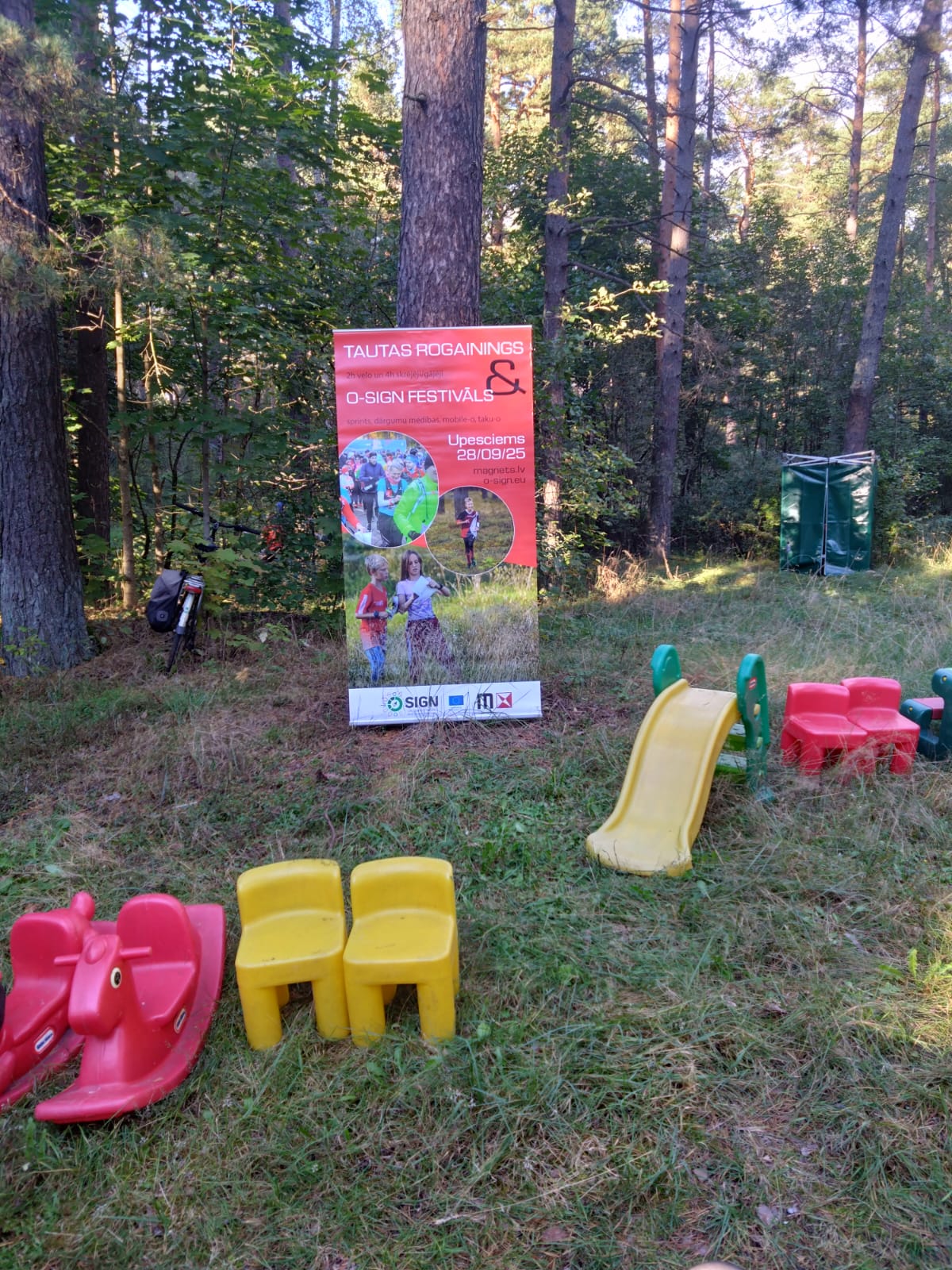
Orienteering, as a “lightweight” sport where athletes navigate scattered across natural terrain, exemplifies the complex relationship between outdoor recreation and environmental stewardship (Scrucca et al., 2016). Unlike many outdoor sports, orienteering’s dispersed nature minimizes concentrated environmental impact, yet the involvement of hundreds or thousands of participants still requires careful planning and stakeholder coordination. Private stakeholders play crucial roles in determining whether these events achieve genuine sustainability across environmental, social, and economic dimensions.
The International Orienteering Federation has developed comprehensive guidelines recognizing that sustainable event organization requires cooperation among diverse private actors (Matute et al., 2014). These stakeholders include landowners who control access to terrain, equipment suppliers who provide materials, local businesses that support event infrastructure, accommodation providers, transport companies, and sponsors who enable financial viability. Each stakeholder group possesses distinct responsibilities and opportunities to contribute to sustainability outcomes.
The Three Pillars of Sustainability in Nature Sport Events
- Environmental Sustainability
Environmental protection forms the foundation of sustainable orienteering events. Research demonstrates that orienteering’s environmental impact, while generally minimal and temporary, requires active management (Straupe et al., 2022). Studies in Latvian pine forests found trampling effects primarily in moss layers, with average decreases of only 3% and rapid recovery (Straupe et al., 2022). However, Quinta-Nova et al. (2013) emphasize that certain habitats—particularly areas with slow-regenerating bryophytes and steep slopes with vulnerable species—require special protection through careful course planning.
Private stakeholders must collaborate to minimize environmental footprints. Equipment suppliers can provide eco-friendly materials, while transport companies can optimize logistics to reduce carbon emissions. The 2014 World Orienteering Championship calculated a total carbon footprint of 165.34 tCO2eq, with travel representing a significant portion (Scrucca et al., 2016). This finding underscores the importance of transport providers offering sustainable options and event organizers encouraging carpooling and public transportation. - Social Sustainability
Social sustainability encompasses community engagement, participant diversity, and equitable access. The Trekorientació® Bosc de Poblet event demonstrated successful social sustainability by integrating diverse participants and fostering community involvement (Matute et al., 2014). Private stakeholders contribute to social sustainability through inclusive pricing structures, accessible facilities, and community education programs.
Local businesses and accommodation providers serve as bridges between events and host communities. Their involvement can generate positive social legacies, including increased environmental awareness and strengthened community identity (Ahmad et al., 2013). However, stakeholder research in Brazil revealed concerning gaps: adventure race organizers often possess limited knowledge about social and environmental impacts, with ecological issues perceived as challenges rather than problems requiring systematic solutions (Bartoletti et al., 2019). - Economic Sustainability
Economic viability ensures events can continue while benefiting local economies. Private stakeholders, particularly sponsors and local businesses, enable financial sustainability while potentially gaining competitive advantages through green positioning (Ahmad et al., 2013). Research in Guangdong Province, China, highlights that effective guidelines management improves organizational efficiency and promotes broader participation, contributing to economic sustainability (Liu et al., 2024).
Economic interests must balance with environmental protection. For instance, landowners with forestry interests may prioritize wood quality and harvesting schedules, requiring organizers to negotiate event timing that respects both economic and ecological considerations (Straupe et al., 2022). This balance exemplifies the need for integrated stakeholder dialogue that acknowledges diverse economic interests while maintaining environmental standards.
References
Ahmad, N. L., Rashid, W. E. W., Razak, N. A., Yusof, A. N. M., & Shah, N. S. M. (2013). Green event management and initiatives for sustainable business growth. International Journal of Trade, Economics and Finance, 4(5), 331-335. https://doi.org/10.7763/IJTEF.2013.V4.311
Bartoletti, R., Pereira, D. W., & Schiavetti, A. (2019). Adventure races in Brazil: Do stakeholders take conservation into consideration? Environments, 6(7), 77. https://doi.org/10.3390/ENVIRONMENTS6070077
Liu, H., Chen, Y., & Zhang, L. (2024). Guidelines management for orienteering events competitions in Guangdong Province, the People’s Republic of China. International Journal of Sociologies and Anthropologies Science Reviews, 4(3), 854-862. https://doi.org/10.60027/ijsasr.2024.4854
Matute, J., Huertas, E., & Pallarès, S. (2014). Anàlisi de Trekorientació® Bosc de Poblet: Un esdeveniment esportiu sostenible en el medi natural. Apunts. Educació Física i Esports, 115, 52-61. https://doi.org/10.5672/APUNTS.2014-0983.CAT.(2014/1).115.06
Quinta-Nova, L., Fernandes, P., & Almeida, A. (2013). Impactes de um evento de orientação pedestre sobre a vegetação. Silva Lusitana, 21(1), 89-102.
Scrucca, F., Severi, C., Galvan, N., & Brunori, A. (2016). A new method to assess the sustainability performance of events: Application to the 2014 World Orienteering Championship. Environmental Impact Assessment Review, 56, 1-11. https://doi.org/10.1016/J.EIAR.2015.08.002
Straupe, I., Zvirgzds, A., & Popluga, D. (2022). Impact of orienteering competitions on ground vegetation in pine forests at the seaside, Latvia. Research for Rural Development, 37, 89-95. https://doi.org/10.15544/rd.2021.050
Funded by the European Union. Views and opinions expressed are however those of the author(s) only and do not necessarily reflect those of the European Union or EACEA. Neither the European Union nor the granting authority can be held responsible for them